In today’s hyper-connected digital landscape, customers expect more than just relevant content—they demand experiences that respond instantly to their needs and behaviors. This is where real-time personalization marketing comes into play. By leveraging live data and advanced algorithms, brands can deliver tailored content, offers, and journeys the moment a customer interacts with their platform. No longer are businesses limited to static campaigns or delayed responses.
With real-time personalization, every touchpoint becomes an opportunity for meaningful engagement. The shift from batched, rule-based personalization to instant, adaptive experiences is not just a trend—it’s a necessity. Brands that fail to keep pace risk losing customers to competitors who offer seamless, context-aware interactions.
Whether it’s a personalized product recommendation, a timely push notification, or a dynamic email triggered by user behavior, real-time personalization marketing is redefining what it means to connect with an audience.
The Evolution of Personalization: From Static to Adaptive
Personalization has come a long way since the early days of simple segmentation and generic email blasts. Initially, marketers relied on static data—demographics, past purchases, and broad behavioral patterns—to craft campaigns. While effective for mass outreach, these approaches often missed the mark when it came to individual relevance.
The rise of digital platforms and the explosion of customer data changed everything. Marketers began experimenting with dynamic content delivery, using real-time customer insights to adjust messaging and offers on the fly. This marked the beginning of adaptive marketing, where experiences evolve based on user actions, preferences, and context.
Today, real-time personalization marketing is powered by AI personalization engines and sophisticated behavioral targeting tools. These technologies analyze streaming data—browsing history, location, device type, and more—to deliver hyper-relevant experiences in the moment. The result is a more engaging, satisfying customer journey that drives loyalty and conversions.
Latest Features, Tools, and Trends in Real-Time Personalization
Dynamic Content Delivery
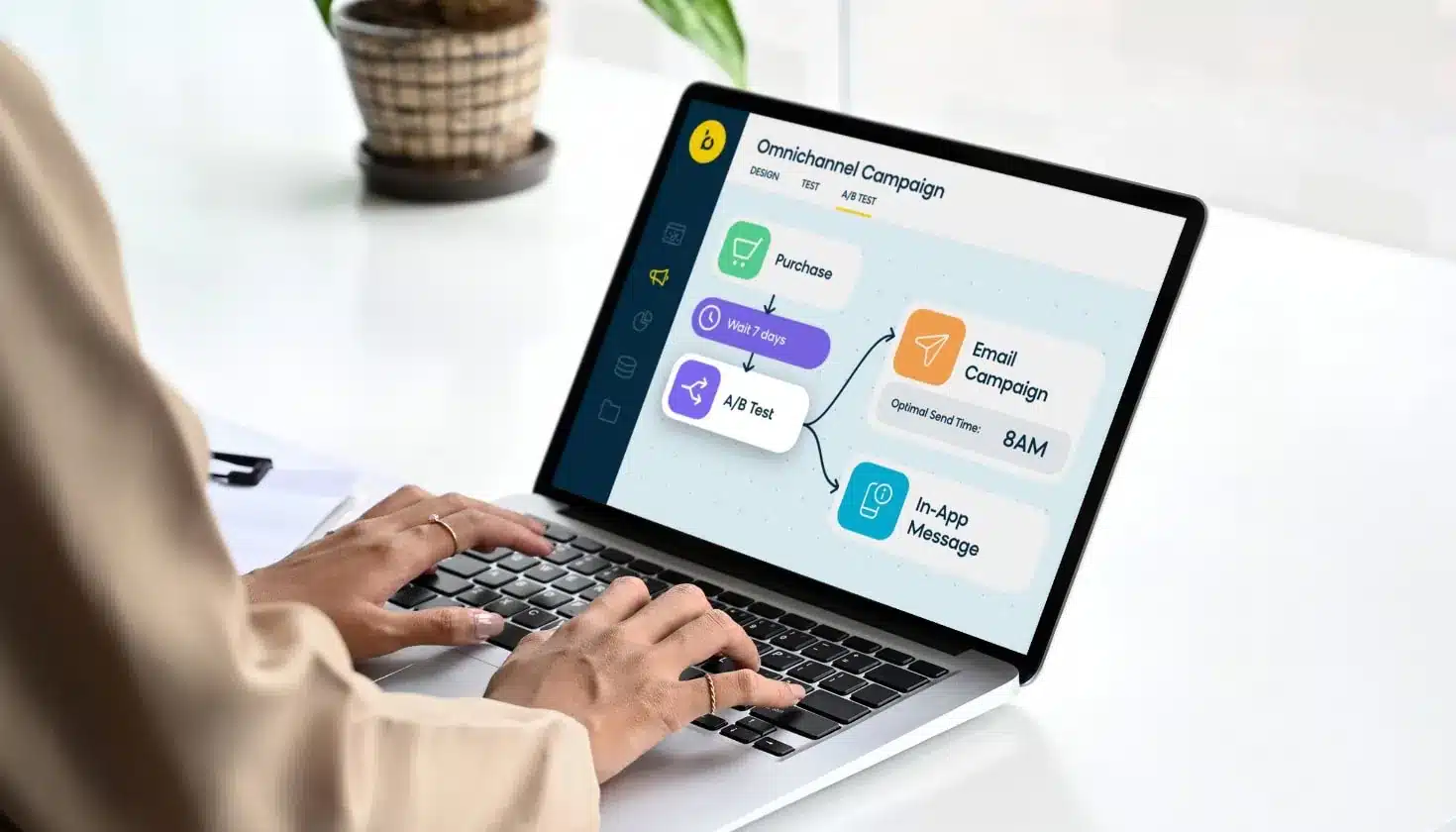
Dynamic content delivery is at the heart of real-time personalization marketing. Platforms enable brands to serve personalized web pages, emails, and in-app messages based on live user data. For example, an ecommerce site might display different product recommendations to each visitor, depending on their browsing history and current session behavior.
Instant Customer Targeting
Instant customer targeting allows marketers to segment audiences and deliver tailored messages in real time. Tools use behavioral triggers to automate campaigns, ensuring that users receive the right content at the right moment. For instance, a user who abandons their cart might immediately receive a personalized email with a discount offer.
AI Personalization Engines
AI personalization engines are revolutionizing the way brands approach real-time personalization. These systems use machine learning to analyze vast amounts of data, predict customer intent, and optimize content delivery. Predictive personalization—where AI forecasts the next best action—enables brands to stay ahead of customer needs and deliver proactive experiences.
Behavioral Targeting and Contextual Personalization
Behavioral targeting and contextual personalization go hand in hand. By tracking user actions and contextual signals—such as location or device—brands can create highly relevant experiences. For example, a coffee shop app might send a push notification with a limited-time offer when a user is near a store, increasing the likelihood of a visit.
Advanced Tactics for Success
Smarter Segmentation
Traditional segmentation relies on predefined rules and static data. Real-time personalization marketing takes segmentation to the next level by using live data to create dynamic audience groups. AI-powered tools can surface new segments based on real-time behavior, preferences, and intent, ensuring that campaigns are always relevant.
Predictive Personalization
Predictive personalization uses streaming data to forecast customer actions and deliver proactive experiences. For example, a streaming service might recommend a new show based on a user’s viewing habits, or a retailer might suggest complementary products after a purchase.
Relevance at Scale
With AI, brands can personalize thousands of experiences at once without sacrificing quality or context. This scalability is essential for large organizations with diverse customer bases.
The Power of Content, Storytelling, and Community
Real-time personalization marketing is not just about technology—it’s about creating meaningful connections. Brands that combine data-driven insights with compelling storytelling and community engagement can build deeper relationships with their audience. For example, a fitness app might use real-time data to deliver personalized workout plans, while also fostering a sense of community through user-generated content and social features.
Influencer Partnerships and User-Generated Content
Influencer partnerships and user-generated content can amplify the impact of real-time personalization marketing. By collaborating with influencers who resonate with their target audience, brands can create authentic, personalized experiences that drive engagement. User-generated content—such as reviews, testimonials, and social media posts—adds a layer of authenticity and trust to personalized campaigns.
Measuring Success: Analytics and Insights
Measuring the success of real-time personalization marketing requires a focus on key metrics such as engagement rates, conversion rates, and customer retention. Analytics tools can provide real-time insights into campaign performance, allowing marketers to optimize their strategies and improve results. For example, tracking the impact of personalized product recommendations on sales can help brands refine their approach and maximize ROI.
Business Case Study: Starbucks
Brand Journey
Starbucks has long been a leader in customer experience, but the company took its personalization efforts to the next level with the launch of its mobile app. By leveraging real-time personalization marketing, Starbucks delivers tailored offers, recommendations, and rewards to millions of users.
Challenges
Starbucks faced the challenge of creating a seamless, personalized experience across multiple channels—mobile, web, and in-store. The company needed to ensure that every interaction felt relevant and timely, regardless of how or where customers engaged with the brand.
Tactics Used
Starbucks uses AI personalization engines and behavioral targeting to deliver dynamic content and instant customer targeting. The app tracks user behavior, preferences, and location to serve personalized offers and recommendations in real time. For example, a user who frequently orders a latte might receive a push notification with a discount on their favorite drink when they’re near a store.
Measured Results
The results have been impressive. Starbucks reports a significant increase in customer engagement, with users spending more time in the app and making more purchases. The company has also seen higher retention rates and increased loyalty, thanks to its personalized approach.
Actionable Tips for Marketers
- Leverage Real-Time Data: Use live customer insights to inform your personalization strategies and deliver relevant experiences.
- Invest in AI Personalization Engines: AI-powered tools can help you scale your efforts and optimize content delivery.
- Focus on Behavioral Targeting: Track user actions and contextual signals to create highly relevant experiences.
- Test and Optimize: Continuously measure the impact of your campaigns and refine your approach based on real-time analytics.
- Combine Data with Storytelling: Use personalized content to tell compelling stories and build deeper connections with your audience.
Why Amquest Education Stands Out
For marketers looking to master real-time personalization marketing, Amquest Education offers a comprehensive Digital Marketing and Artificial Intelligence course designed to equip students with the skills and knowledge needed to succeed in today’s fast-paced digital landscape. The course features AI-led modules, hands-on learning, and real-world projects that prepare students for careers in dynamic content delivery, instant customer targeting, and AI personalization engines.
Amquest’s faculty includes industry experts with extensive experience in digital marketing and AI, ensuring that students receive practical, up-to-date training. The program also offers internships and placement opportunities with leading industry partners, giving students the chance to apply their skills in real-world settings. With a strong presence in Mumbai and national online availability, Amquest Education is the ideal choice for anyone looking to advance their career in digital marketing and AI.
Conclusion
Real-time personalization marketing is transforming the way brands connect with their audience. By leveraging dynamic content delivery, instant customer targeting, and AI personalization engines, businesses can create engaging, relevant experiences that drive loyalty and conversions. As the digital landscape continues to evolve, the ability to deliver adaptive, context-aware experiences will become increasingly important.
For marketers looking to stay ahead of the curve, investing in real-time personalization marketing is not just a smart move—it’s a necessity. Ready to take your digital marketing skills to the next level? Explore Amquest Education’s Digital Marketing and Artificial Intelligence course and discover how you can master the art of real-time personalization marketing. Learn more here.
FAQs
What is dynamic content delivery?
Dynamic content delivery is the process of serving personalized content to users based on their behavior, preferences, and context. This approach ensures that each user receives relevant, engaging experiences in real time.
How does instant customer targeting work?
Instant customer targeting uses real-time data to segment audiences and deliver tailored messages at the right moment. Behavioral triggers and live insights enable marketers to automate campaigns and optimize engagement.
What are AI personalization engines?
AI personalization engines use machine learning to analyze customer data and deliver hyper-relevant experiences. These systems can predict customer intent, optimize content delivery, and scale personalization efforts across large audiences.
Why is behavioral targeting important?
Behavioral targeting allows brands to create highly relevant experiences by tracking user actions and contextual signals. This approach increases engagement, conversion rates, and customer satisfaction.
How can real-time personalization marketing improve CX optimization?
Real-time personalization marketing enhances CX optimization by delivering adaptive, context-aware experiences that meet customer needs in the moment. This leads to higher engagement, loyalty, and satisfaction.
What are the benefits of real-time personalization marketing?
The benefits of real-time personalization marketing include increased engagement, higher conversion rates, improved customer loyalty, and better ROI. By delivering relevant, timely experiences, brands can build stronger relationships with their audience.