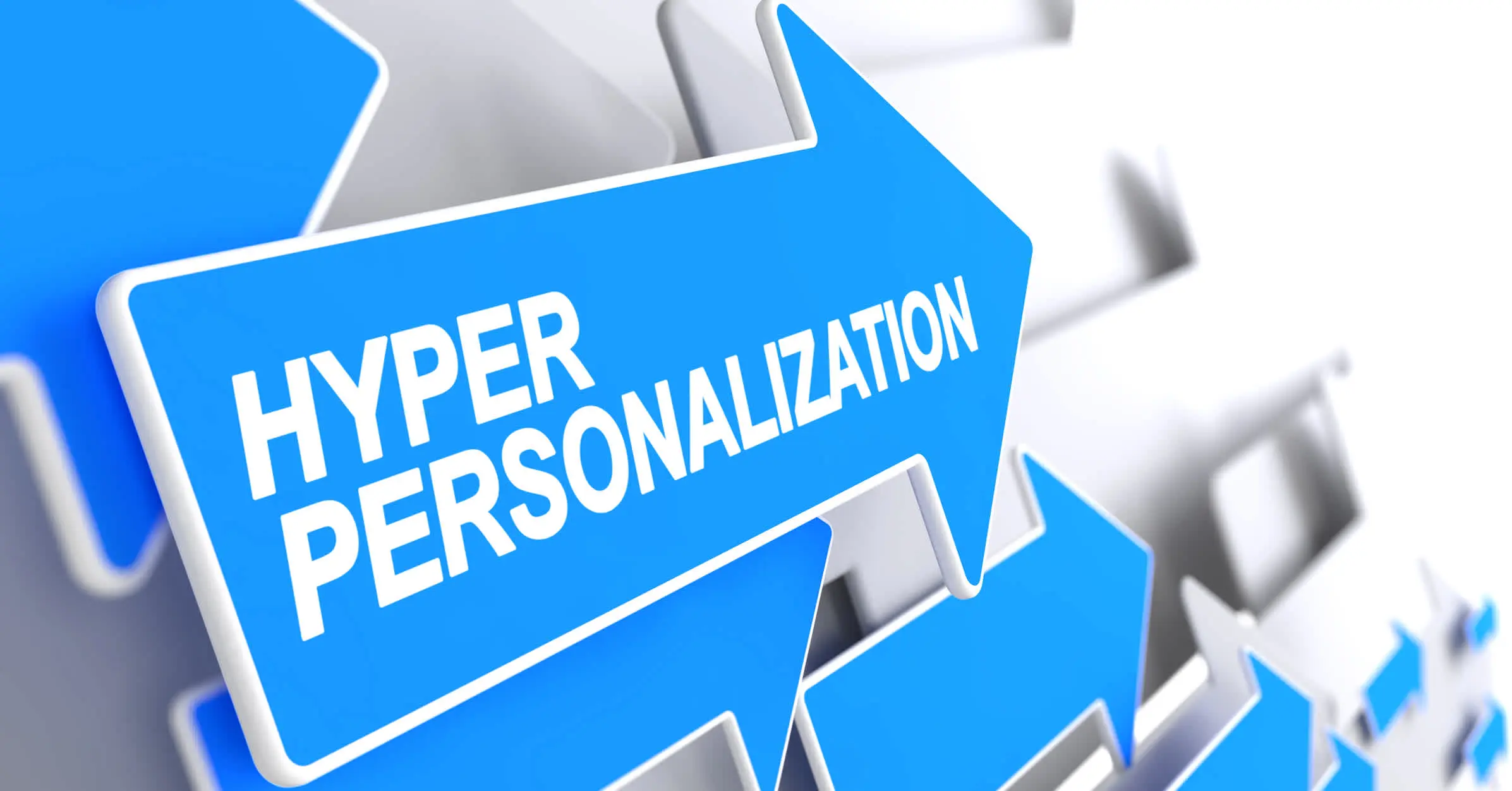
In today’s fiercely competitive digital marketplace, hyper-personalization marketing is transforming how brands engage with customers. Moving beyond traditional audience segmentation, hyper-personalization leverages AI personalization, real-time targeting, and customer data analytics to craft one-to-one marketing experiences uniquely tailored to individual preferences and behaviors. This dynamic, data-driven strategy fosters authentic connections that boost engagement, loyalty, and conversions.
The Shift from Segmentation to Hyper-Personalization Marketing
Traditional marketing often grouped customers into broad segments based on demographics or general interests. While useful, this approach misses the nuances of individual preferences and behaviors. Hyper-personalization marketing represents the evolution to 1:1 marketing, where brands use AI and predictive models to analyze real-time browsing, purchase history, location, and contextual signals like time of day. This enables delivery of content, recommendations, and offers that feel custom-built and timely for each customer. Brands that master this approach gain a critical competitive advantage by meeting customers’ exact needs at every stage of their journey. As consumers increasingly expect personalized experiences, marketers must harness advanced tools and analytics to stay relevant and effective.
Key Technologies and Trends Driving Hyper-Personalization Marketing
The latest hyper-personalization tools combine multiple advanced technologies to maximize impact:
- AI Personalization Engines: These systems analyze real-time behavior and past purchases to dynamically recommend products or content, increasing conversion rates. For instance, Amazon’s deep learning algorithms predict customer needs and customize homepage recommendations accordingly.
- Real-Time Targeting: Brands leverage location data and behavior tracking to send timely, relevant notifications or offers. Starbucks’ mobile app sends personalized discounts based on purchase history and nearby stores, creating seamless experiences.
- Customer Data Analytics: Advanced platforms unify data from multiple touchpoints to build detailed customer profiles. This enables granular segmentation and tailored communication across social media, email, and apps.
- Dynamic Content Customization: Marketing messages, product visuals, and pricing are adjusted instantly based on customer context, boosting relevance and sales.
- Predictive AI: Algorithms forecast customer preferences and behaviors, enabling proactive, intuitive marketing strategies.
Advanced Tactics to Excel in Hyper-Personalization Marketing
To succeed, marketers should adopt these sophisticated strategies:
- Integrate Omnichannel Data: Unify signals from web, mobile, social, and in-store interactions to provide consistent, personalized experiences across all customer touchpoints.
- Leverage Predictive Analytics: Use AI models to forecast future customer needs, enabling proactive offers instead of reactive responses.
- Implement Real-Time Decisioning: Deploy systems that instantly adjust content and offers based on customer actions and context.
- Use Behavior-Based Marketing: Tailor messages based on behaviors such as cart abandonment, browsing patterns, or loyalty program activity.
- Optimize Customer Journey Mapping: Personalize every stage—from awareness to post-purchase—using data-driven insights to enhance satisfaction and retention.
The Role of Content, Storytelling, and Community in Personalization
Personalized content and storytelling deepen emotional connections by tailoring narratives to individual preferences and experiences. This fosters loyalty and advocacy. Building communities around shared interests and values further strengthens engagement. Hyper-personalization delivers the right story to the right person at the right time, transforming marketing from intrusive to helpful and conversational.
Measuring Success: Analytics and Insights
Effective hyper-personalization requires rigorous measurement:
- Engagement Metrics: Track click-through rates, time spent on personalized content, and conversion rates to assess relevance.
- Customer Lifetime Value (CLV): Measure how personalized experiences increase repeat purchases and long-term loyalty.
- A/B Testing and Experimentation: Use controlled experiments to refine personalization algorithms and messaging.
- Sentiment Analysis: Monitor customer satisfaction and feedback to continually optimize personalization efforts.
Privacy, Ethics, and Compliance in Hyper-Personalization
With increasing reliance on customer data, marketers must prioritize privacy and ethical use. Collecting first-party data responsibly, being transparent about data usage, and complying with regulations such as GDPR are essential. Responsible hyper-personalization marketing builds trust, reduces consumer stress, and enhances brand reputation.
Business Case Study: Starbucks’ Hyper-Personalization Journey
Starbucks exemplifies how hyper-personalization drives business impact. Its mobile app, launched in 2011, harnesses extensive data including purchase history, location, and preferences.
Challenges: Personalizing experiences at scale for millions of customers while maintaining a human touch.
Tactics:
- AI-driven personalized offers based on individual purchase patterns.
- Location-based notifications for nearby store promotions.
- Customized product recommendations and loyalty rewards.
Results:
- Over 400,000 variations of personalized messages sent.
- Increased app engagement and customer retention.
- Significant sales lift through targeted discounts and recommendations.
Actionable Tips for Marketers to Implement Hyper-Personalization
- Collect First-Party Data Responsibly: Encourage customers to share preferences via quizzes, sign-ups, and loyalty programs.
- Invest in AI and Analytics Tools: Choose platforms supporting real-time data processing and predictive analytics.
- Segment Beyond Demographics: Use behavior, intent, and context for precise audience segmentation.
- Test and Optimize Continuously: Employ A/B testing to refine messaging and offers.
- Ensure Privacy and Compliance: Transparently communicate data usage and adhere to regulations like GDPR.
- Leverage Multi-Channel Integration: Coordinate personalization across email, web, social, and mobile.
- Train Teams on AI-Led Marketing: Equip marketing teams with skills in AI personalization and customer data analytics.
Why Choose Amquest Education to Master Hyper-Personalization Marketing?
For marketers seeking to lead in hyper-personalization, Amquest Education in Mumbai offers an unmatched Digital Marketing and Artificial Intelligence course. It combines AI-powered learning with practical internships and industry-experienced faculty. Key strengths include:
- Comprehensive curriculum covering AI personalization, customer data analytics, real-time targeting, and predictive personalization.
- Hands-on internships providing real-world experience with marketing partners.
- Strong placement support ensuring excellent career opportunities post-course.
- Focus on practical AI tools training integrated with theory.
This course equips marketers with the skills needed to transform marketing from audience-based to truly individual-focused, staying ahead in a data-driven landscape.
Conclusion
Hyper-personalization marketing is essential for brands aiming to deliver meaningful, individualized customer experiences and higher ROI. By leveraging AI personalization, real-time targeting, and sophisticated customer data analytics, marketers can create deeply relevant, one-to-one interactions that foster loyalty and business growth. Embracing this approach with the right skills and tools will position marketers as leaders in the evolving digital landscape.
FAQs
Q1: What is hyper-personalization marketing?
Hyper-personalization marketing uses AI, real-time data, and predictive analytics to tailor marketing messages, product recommendations, and experiences uniquely to each individual customer beyond traditional segmentation.
Q2: How does AI personalization improve marketing outcomes?
AI personalization analyzes customer behavior and preferences in real time to deliver highly relevant content and offers, increasing engagement, conversion rates, and customer loyalty.
Q3: What role does real-time targeting play in hyper-personalization?
Real-time targeting adjusts marketing messages instantly based on customer location, browsing behavior, or context, ensuring communications are timely and relevant.
Q4: How can customer data analytics enhance personalized recommendations?
By unifying data from multiple sources, marketers can build detailed profiles and predict customer needs, enabling personalized product suggestions and content that drive sales.
Q5: What is the difference between audience segmentation and hyper-personalization?
Audience segmentation groups customers broadly, while hyper-personalization treats each customer as a unique individual using real-time AI-driven insights to tailor experiences.
Q6: Why is Amquest Education a good choice to learn about hyper-personalization marketing?
Amquest offers AI-led modules, hands-on internships, expert faculty, and strong industry ties, providing practical skills and career support unmatched by competitors in Mumbai and beyond.