Introduction: why EEAT matters now
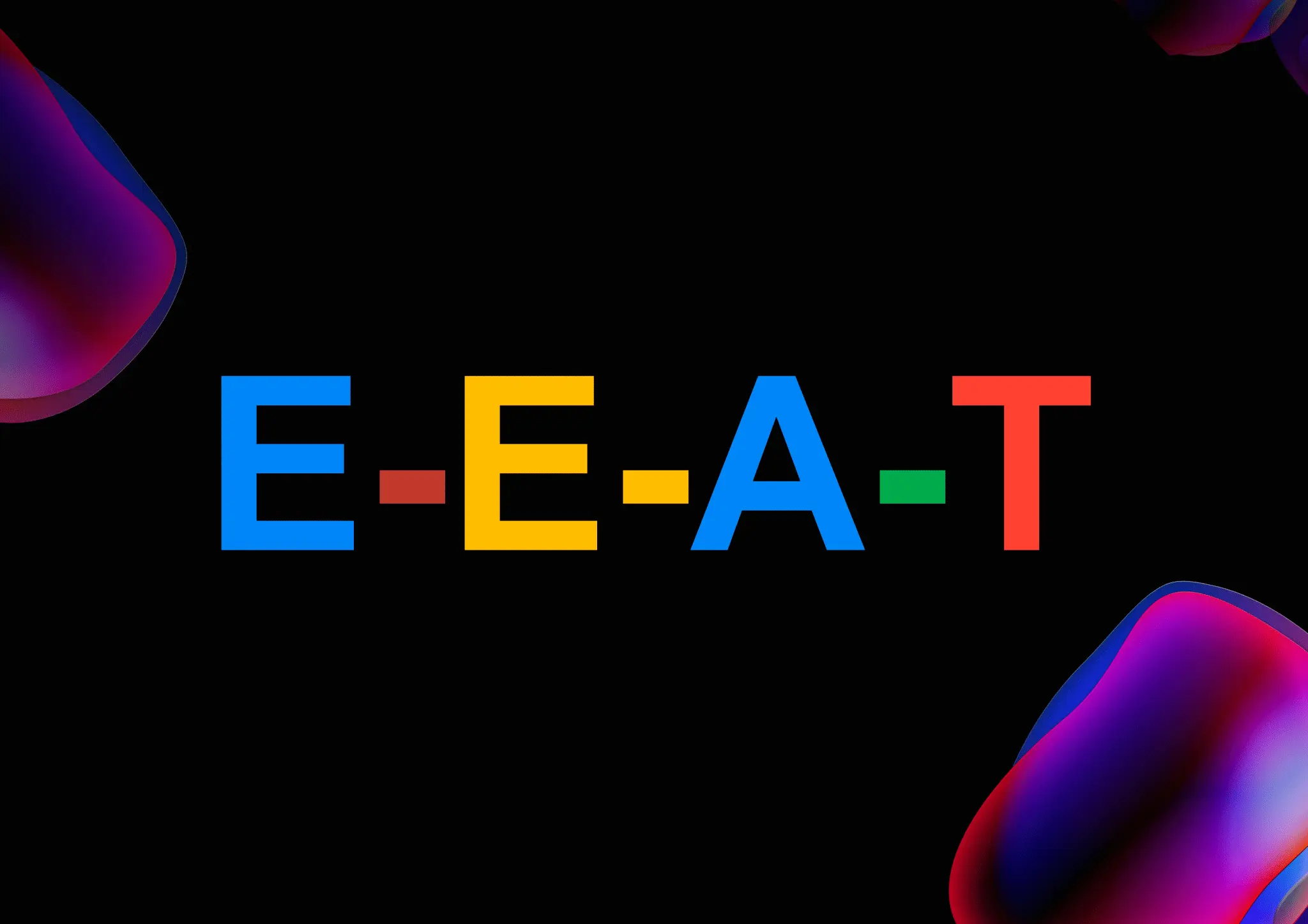
eeat in seo explained with examples matters because search engines and users now reward pages that demonstrate real human value. Search results no longer favor churned content that repeats keywords without substance. If you want pages that rank and convert in 2026, you must show demonstrable results and credible authorship. This guide—eeat in seo explained with examples—shows what Google and users expect when they judge content quality and how to prove your pages deserve top placement. Read on for practical checklists, eeat examples in seo, tools to audit your site, and a compact action plan you can run this month.
From EAT to EEAT: the evolution you need to know
EAT originally stood for Expertise, Authority, and Trust, concepts drawn from Google guidance and search evaluators. Google later added real-world Experience to create EEAT, reflecting that first-hand knowledge matters for many queries. In practice, eeat in seo explained with examples helps teams understand not just who is credible but who has done the work and can demonstrate it. The distinction matters most on YMYL pages and hands-on how-to content where readers expect verifiable results.
Where EEAT matters most
- YMYL pages: finance, legal, health, and safety content need formal credentials plus demonstrable experience and validation.
- How-to and reviews: readers want first-person tests, photos, and protocols that prove the author knows the craft.
- Local and niche businesses: strong author authority in seo for local experts often beats broader authority when local experience is well documented.
Core EEAT signals and real examples
1. Experience: show you did the work
Signals: first-person case studies, on-site photos, dated project notes, test protocols, and video walkthroughs.
Example: A furniture refinish guide with before-and-after photos, exact materials and drying times, and a dated project log demonstrates eeat in seo explained with examples in practice.
2. Expertise: prove depth and credentials
Signals: author bios with certifications, linked publications, and references to standards or academic work.
Example: An investment strategy piece with an author bio detailing CFA credentials and a link to published research shows clear expertise.
3. Authority: earn reputable mentions
Signals: citations in industry outlets, backlinks from trade sites, guest posts, and conference speaking slots.
Example: A whitepaper that an industry association cites on their resource page is a strong authority signal.
4. Trust: reduce friction and uncertainty
Signals: transparent sourcing, reviewer names and dates, privacy and editorial policies, and secure site protocols.
Example: A health article displaying medical reviewer information and a dated review cycle builds trust.
Practical audit: a prioritized EEAT checklist you can run in a day
Start with quick, prioritized actions to surface immediate wins and prove intent.
Quick wins (0-7 days)
- Identify top 10 pages by traffic and search importance and add an author byline if missing.
- Add one first-hand example or a short case note to each target page to show experience.
- Ensure HTTPS, visible contact info, and an editorial policy page are live.
Workable improvements (1-6 weeks)
- Publish detailed author bios with verifiable links and contact info to improve author authority in seo.
- Add structured data for authorship, reviews, and local business details to help search engines parse EEAT signals.
- Convert one high-impression list post into a case study with original data to show experience and attract backlinks.
Authority building (2-4 months)
- Publish original research or a how-to series that others will cite.
- Run outreach to industry partners for guest mentions and backlinks to boost eeat ranking factors.
- Create a content review cadence and mark content with last reviewed dates to enhance trust signals for seo.
Tools and audits that reveal EEAT gaps
- Backlink and citation analysis: Ahrefs or Moz to measure authority and identify prospective mentions.
- Content audits: map pages to search intent and note where experience is missing.
- User behavior analytics: monitor dwell time and pogo-sticking as proxies for perceived usefulness.
- Manual checks: review pages against google eeat guidelines and google quality rater guidelines eeat for high-value content.
How to structure author and editorial governance
- Author hub: one page that aggregates author bios, publications, sample work, and contact details.
- Verification process: confirm credentials with public links and store verification notes in an editorial CRM.
- Review cadence: schedule dated content reviews and display those dates publicly to strengthen trust signals.
EEAT in practice: two short case studies
Homeware brand (how-to improvement)
eeat in seo explained with examples appears in the case execution: the team rewrote the guide with a certified restorer, added dated project photos and a video, included a materials list with brand tests, and secured a guest mention from a woodworking association.
Results: organic traffic up 48% in 6 months, session duration increased, and domain visibility improved with 12 industry backlinks.
Local fitness studio (authority and conversions)
eeat in seo explained with examples guided the transformation: co-authored a master guide with certified trainers, added short-form videos showing correct form, and partnered with a regional sports clinic for joint content and a backlink.
Results: page moved from position 20 to position 6 in three months; enrollment sign-ups from organic search increased 27%.
Practical mini experiments to run this month
- Convert a strong-performing list post into a documented case study and measure changes in dwell time.
- Record a 3-minute hands-on tutorial and embed it in the article to add experience proof.
- Ask three customers for short documented success stories and publish them as case notes.
Measuring EEAT success: what to track and when
Short term (4-8 weeks)
- Dwell time and CTR improvements on updated pages.
- Reduction in pogo-sticking for target queries.
Medium term (3-6 months)
- Backlinks and external mentions indicating improved authority.
- Rank improvements for primary and long-tail queries.
Long term (6-12 months)
- Consistent referral traffic and better conversion rates as trust accumulates.
Common misunderstandings: EEAT vs EAT and quick clarifications
- eeat in seo explained with examples shows that experience is not a replacement for expertise. For YMYL pages, credentials still matter.
- For practical content, eeat vs eat google is about balance: first-hand experience plus clear author authority often outrank credential-only pages.
- A single credential line without accompanying useful, original content will not move the needle.
Actionable tips marketers can implement now
- Build an author hub and link to it from every article to centralize author authority in seo signals.
- Use structured data for authorship, reviews, and organization to improve how search engines interpret your pages.
- Document first-hand insights and tests competitors cannot replicate easily to build unique value.
- Run a credibility sweep to add citations and disclosures to pages lacking transparent sourcing.
FAQs
1. What is eeat in seo?
EEAT in seo is the practice of aligning content and site signals to demonstrate real Experience, Expertise, Authority, and Trust so search engines and users recognize your content as high quality.
2. How does eeat in seo explained with examples help content planning?
Using eeat in seo explained with examples helps teams structure content around first-hand insights, author credentials, and verifiable sources so every article contributes to long-term authority and trust.
3. How do I improve my EEAT score?
Focus on clear author bios, first-hand examples, cited sources, industry partner mentions, and trustworthy site practices. Add structured data and document original work to show you have done the work. Review pages against google eeat guidelines and google quality rater guidelines eeat.
4. Does experience matter more than formal credentials?
Both matter. Experience can be decisive for how-to and lifestyle content while formal credentials are important for YMYL topics. The ideal content combines both when relevant.
5. Can smaller brands build EEAT without big budgets?
Yes. Start with case studies, local partnerships, detailed tutorials, and transparent sourcing. Consistent documentation and genuine project work often outperform expensive PR in niche contexts.
Where practical learning accelerates EEAT gains
Programs that combine hands-on projects, mentorship, and internships help creators produce content with real experience. If you want structured learning that accelerates EEAT outcomes, consider Amquest Education as a resource for practical project work and industry placements. Review the curriculum and placement pathways at https://amquesteducation.com/courses/digital-marketing-and-artificial-intelligence/ to see examples of project formats that map directly to eeat ranking factors.